


 Send Inquiry
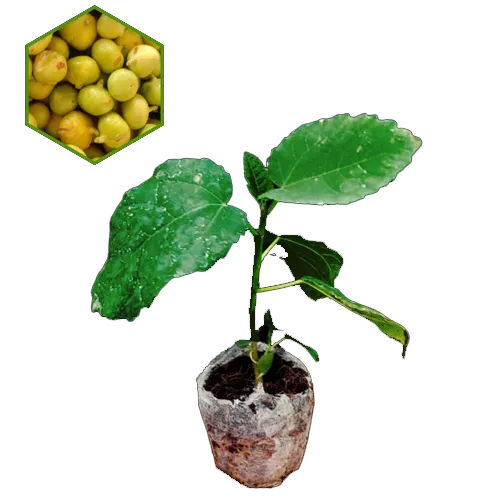
Tissue Culture Pomegranate Plant
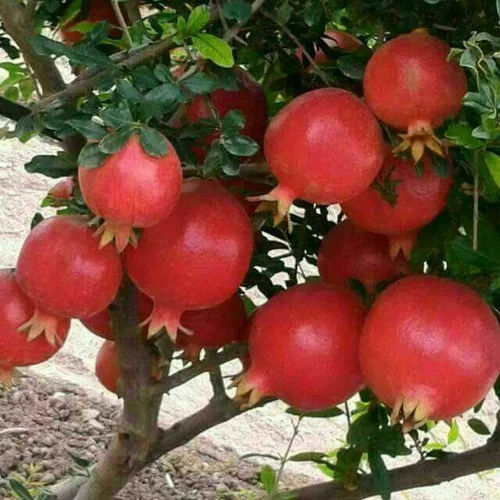
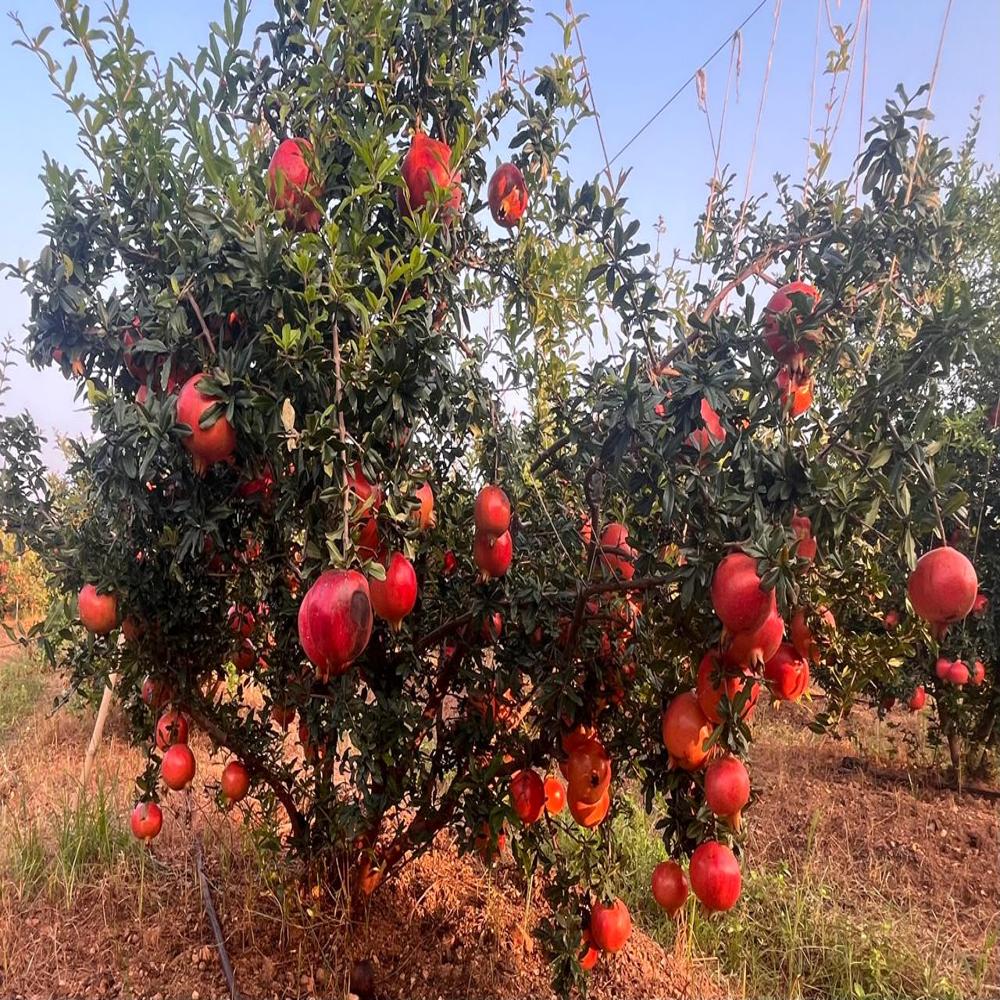
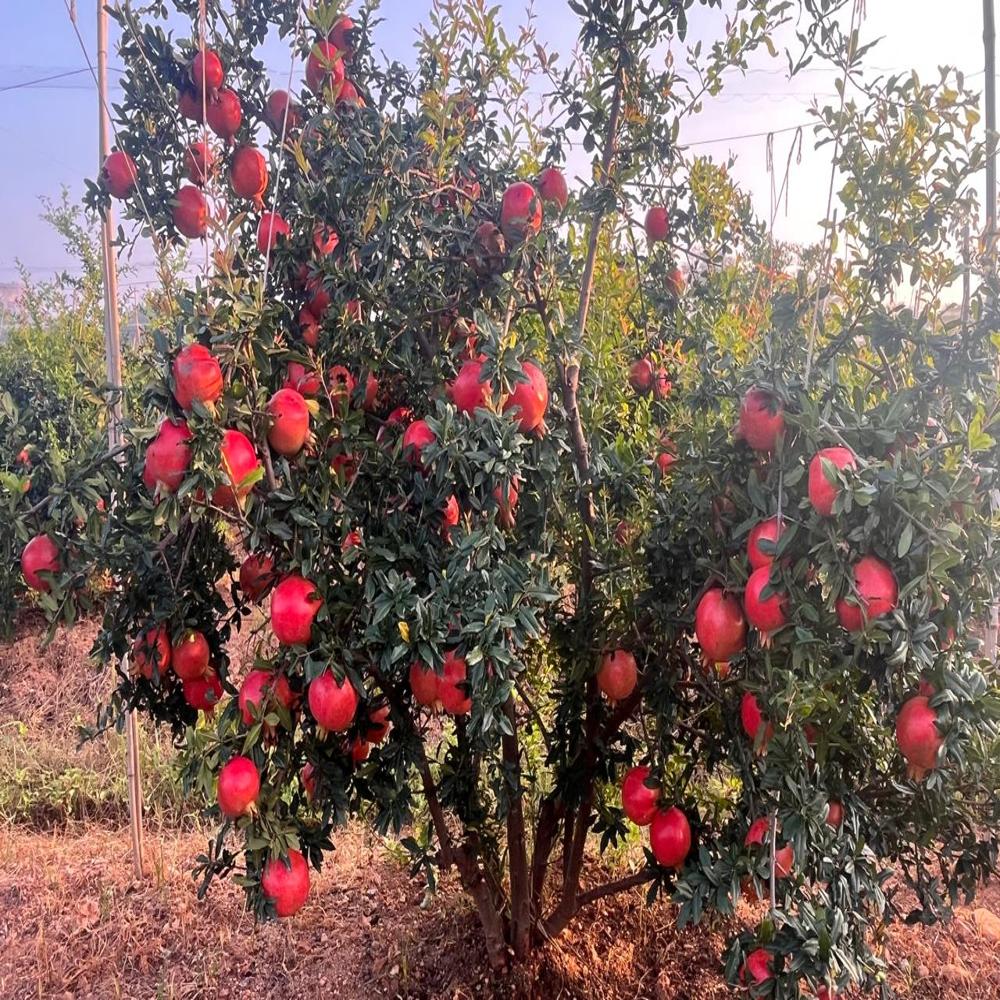
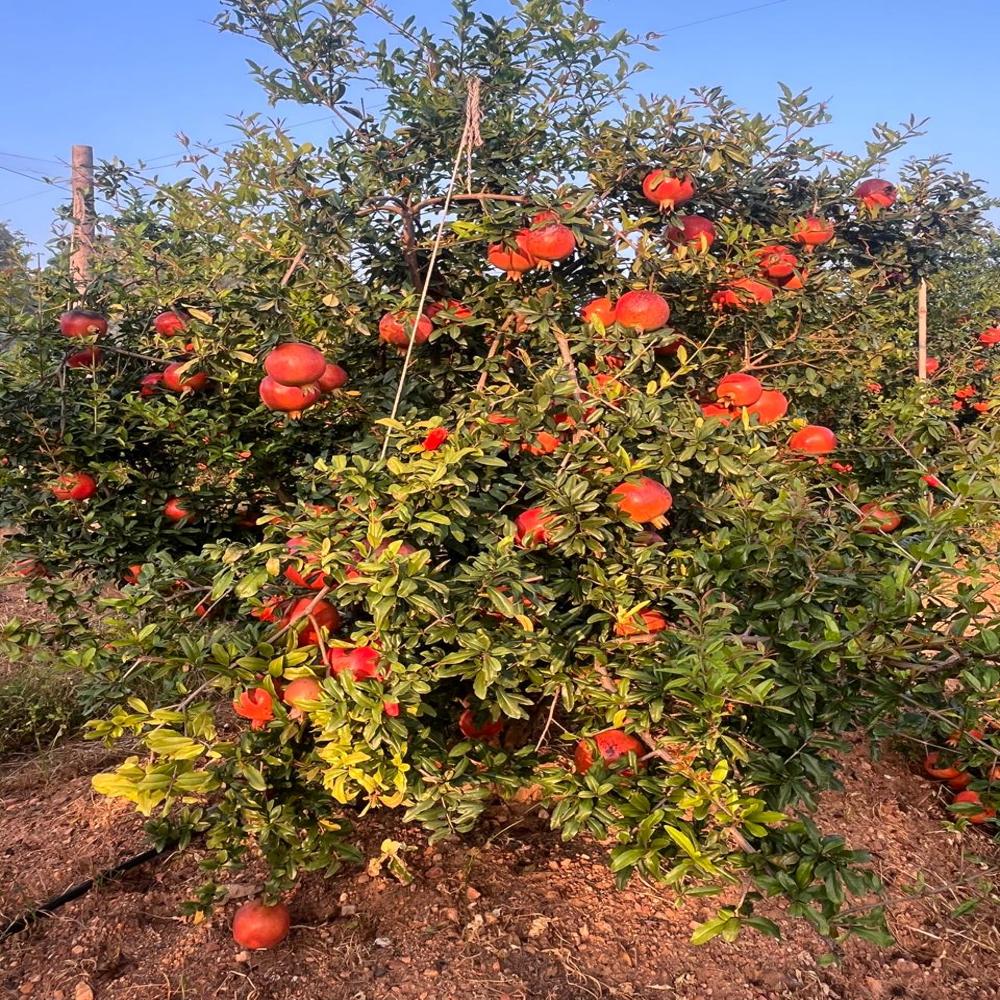
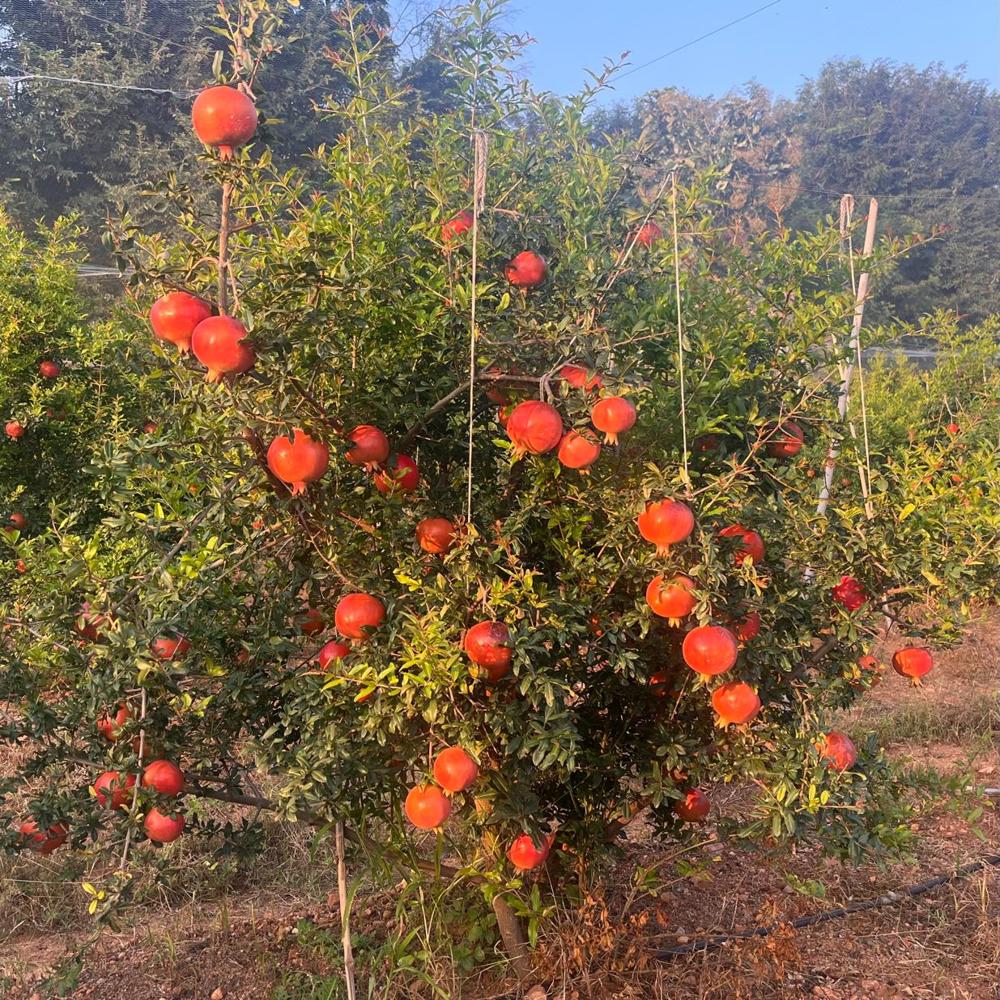
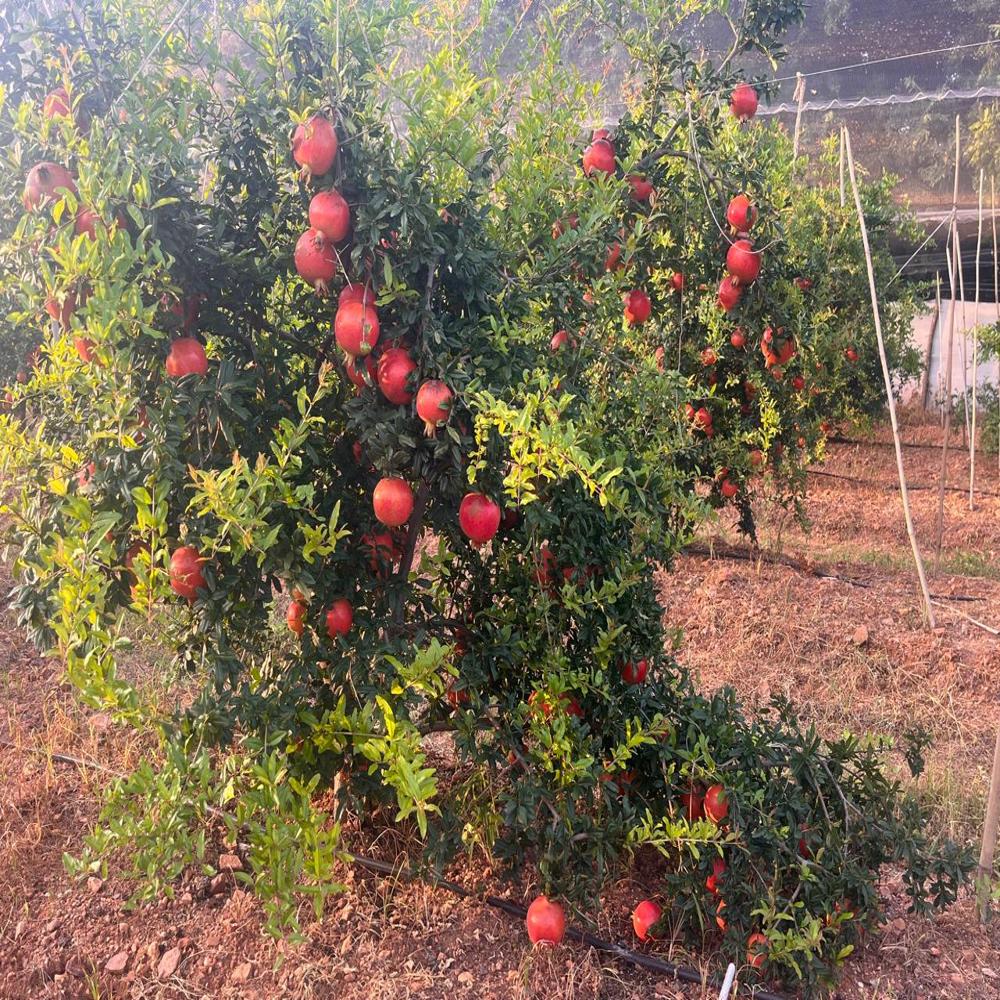

Tissue Culture Pomegranate Plant Specification
- Type
- Plant
- Variety
- Other
- Breed
- Pomegranate
- Part
- Other
- Color
- Red
- Size
- Small
- Stem length
- Different available Centimeter (cm)
- Shelf Life
- 1 Months
Tissue Culture Pomegranate Plant Trade Information
- Minimum Order Quantity
- 100 Pieces
- Supply Ability
- 5000 Pieces Per Month
- Delivery Time
- 1 Week
- Main Domestic Market
- All India
About Tissue Culture Pomegranate Plant
Description:
Pomegranate Plants are deciduous shrubs or small trees prized for their nutritious, juicy fruits.
Plant Characteristics:
1. Height: 4-6 meters (13-20 feet)
2. Spread: 3-4 meters (10-13 feet)
3. Leaves: Oval-shaped, 2-7 cm long
4. Flowers: Red, pink, or white, 2-3 cm diameter
5. Fruits: Round, 5-12 cm diameter, with edible arils
Fruit Characteristics:
1. Color: Red, pink, or purple
2. Size: 5-12 cm diameter
3. Taste: Sweet and tart
4. Season: Fruits in summer and fall
Growing Conditions:
1. Climate: Mediterranean to subtropical (15-30C / 59-86F)
2. Soil: Well-draining, pH 6.0-7.0
3. Sunlight: Full sun
4. Watering: Regular watering (30-50 mm/month)
5. Fertilization: Balanced fertilizer
Advanced Tissue Culture Multiplication
Tissue culture pomegranate plants are propagated in a controlled environment using state-of-the-art techniques. This method ensures each plant has a strong genetic identity and higher resistance to diseases, resulting in more reliable and vigorous growth. These plants are well-suited for large-scale orchard projects as well as home gardening endeavors.
Superior Quality and Freshness
Our pomegranate plants are carefully handled to preserve their small size, healthy root systems, and vibrant red stems. With a shelf life of one month, you can be assured of receiving plants that are ready to be transplanted and cultivated with minimal delay. This level of freshness supports successful establishment in new environments.
FAQ's of Tissue Culture Pomegranate Plant:
Q: How are tissue culture pomegranate plants different from conventionally propagated plants?
A: Tissue culture pomegranate plants are produced under sterile conditions, resulting in uniform growth, greater disease resistance, and consistent quality compared to plants propagated by traditional methods like cuttings or seeds.Q: What stem lengths are available for tissue culture pomegranate plants?
A: A range of stem lengths in centimeters is offered to cater to diverse planting needs. Specific sizes can be requested based on your requirements when ordering.Q: When is the best time to plant tissue culture pomegranate plants in India?
A: The optimal planting time is during the spring and early monsoon seasons, as moderate temperatures and adequate moisture promote faster establishment and healthy growth.Q: Where can I purchase these tissue culture pomegranate plants?
A: These plants are available through reputable dealers, distributors, exporters, manufacturers, producers, retailers, suppliers, and wholesalers throughout India. You can contact your preferred supplier to place an order.Q: What is the process involved in producing tissue culture pomegranate plants?
A: Production starts with the selection of high-quality mother plants. Small tissue samples are cultured in laboratory conditions, allowing for the multiplication of identical, disease-free plants, which are then acclimatized and made ready for sale.Q: How should I use and care for my tissue culture pomegranate plant after purchase?
A: Upon receiving your plant, transplant it into well-draining soil with sufficient sunlight. Water regularly and protect it from pests for optimal growth. Proper initial care ensures healthy establishment in your garden or orchard.Q: What are the main benefits of choosing tissue culture pomegranate plants?
A: These plants provide uniformity in growth, improved disease resistance, higher productivity, and a reliable shelf life, making them an excellent choice for commercial cultivation or home gardening.Price 45.0 INR/ Piece
- Minimum Order Quantity
- 100 Pieces
- Supply Ability
- 5000 Pieces Per Month
- Delivery Time
- 1 Week
- Main Domestic Market
- All India
 Get Latest Price
Price:
- 50
- 100
- 200
- 250
- 500
- 1000+

More Products in Tissue Culture Plants Category
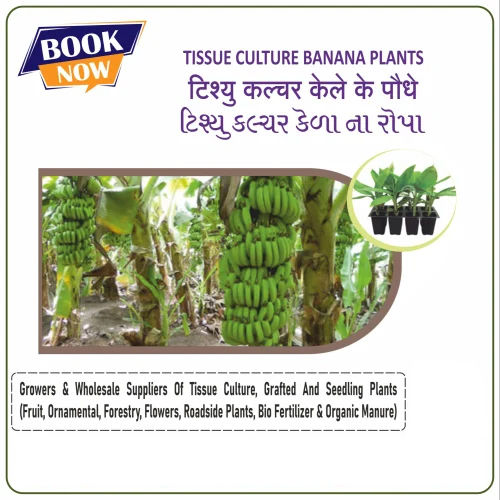
Tissue Culture Banana Plants
Price 14.0 INR / Piece
Minimum Order Quantity : 1 Piece
Stem length : Differe10nt availabl Centimeter (cm)
Type : Plant
Breed : Banana
Size : Various available

Super Bhagwa Pomegranate Tissue Culture Plant
Price 44.0 INR / Piece
Minimum Order Quantity : 1 Piece
Stem length : Different available Millimeter (mm)
Type : Plant
Breed : Pomegranate
Size : Various available
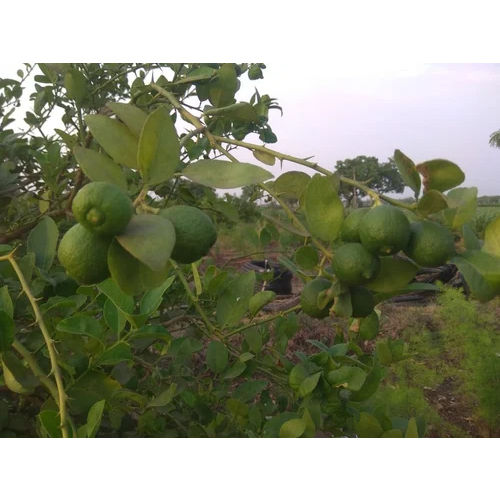
Tissue Culture Kagdi Lemon Plants
Price 63.0 INR / Piece
Minimum Order Quantity : 100 Pieces
Stem length : Different available Millimeter (mm)
Type : Plant
Breed : Lemon
Size : Various available
Deanna Anjeer Tissue Culture Plants
Price 60 INR / Piece
Minimum Order Quantity : 100 Pieces
Stem length : Different available Millimeter (mm)
Type : Plant
Breed : Deanna Anjeer
Size : Various available

Developed and Managed by Infocom Network Private Limited.

